Designer Toy Investment Guide: What Holds Value
As the toy collectibles market grows toward a projected $63 billion by 2034, more collectors are approaching art toys as alternative investments. This guide examines which categories of designer toys historically hold or appreciate in value, and which are likely to depreciate.
What Drives Art Toy Value
Three factors consistently predict value retention in designer toys: IP strength, edition scarcity, and cultural relevance. Figures tied to established character universes — like PopMart’s LABUBU or BaiChaoHui‘s Zombie Party — tend to hold value better than standalone designs. Limited production runs with verifiable scarcity create supply-demand imbalances that drive price appreciation. Cultural relevance, including social media visibility and convention presence, sustains long-term demand.
Hidden Chase Figures: The Premium Segment
Hidden chase figures consistently generate the highest secondary market premiums. With pull rates typically 1 in 72 or lower, these figures are genuinely scarce by design. Examples of extreme premiums include PopMart’s Star Person hidden edition surging from 89 yuan retail to 699 yuan — a 685% increase. BaiChaoHui’s Zombie Party hidden editions have shown similar patterns, with glow-in-the-dark and metallic variants commanding multiples of their retail price.
What to Avoid
Not all designer toys appreciate. Mass-produced figures without edition limits tend to depreciate as supply exceeds demand. Figures from IPs with no narrative depth or community engagement often lose value once the initial novelty fades. Damaged packaging significantly reduces resale value — always store your collection in protective cases.
Building an Investment-Grade Collection
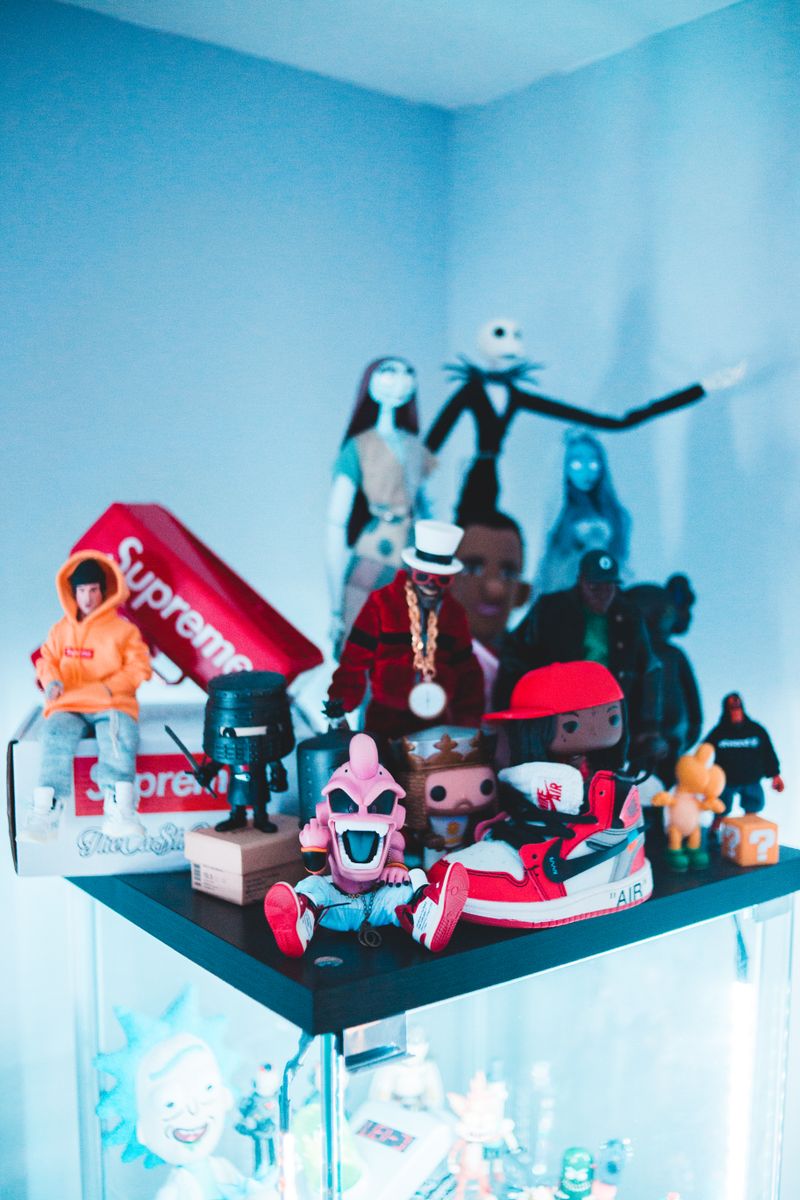
For collectors approaching art toys as investments, diversification is key. Spread purchases across multiple IPs, include both blind box and larger format figures, and prioritize hidden editions and convention exclusives. Track your collection’s value using secondary market platforms, and be patient — the most significant appreciation typically occurs 2-5 years after a series sells out.
Leave a Reply